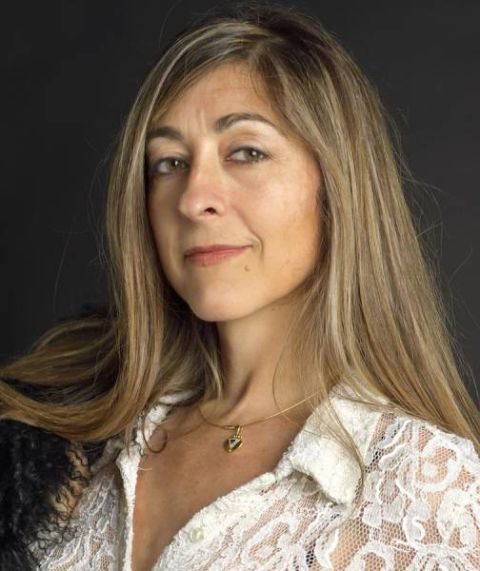
Alexia Muiños Ruiz (Spain)
Alexia Muiños Ruiz is a filmmaker, actress and teacher born in La Coruña. She graduated as a director and screenwriter from the CECC school in Barcelona and completed her training in New York. In 2015 she founded her production company Marineda Films. Her films Noche Transfigurada, Asuntos Domésticos, Medianoche, Domingo por la mañana and En RE DO have received international awards. She has worked in multiple positions in the audio-visual industry: as a runner, as actors coach as well as director and producer. She combines her work as an independent director with acting, teaching and feminist activism within the European Women's Audio-visual Network and Dones Visuals, of which she is one of the founding partners.
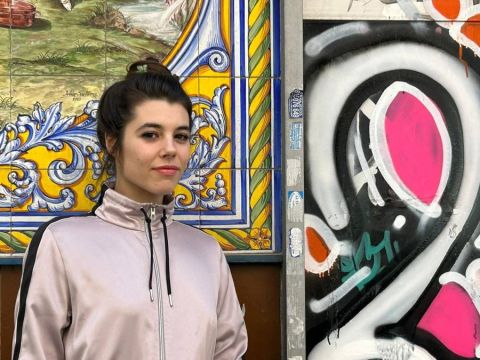
Amalia Cáceres (Spain)
Amalia Cáceres has a degree in Philosophy, General and Comparative Literature and a master’s degree in Literary Studies. She is currently a bookseller. She has done work on parody theory and deconstruction, and now researches on socio-critical analysis of cultural narratives, focusing especially on applied feminist theory.
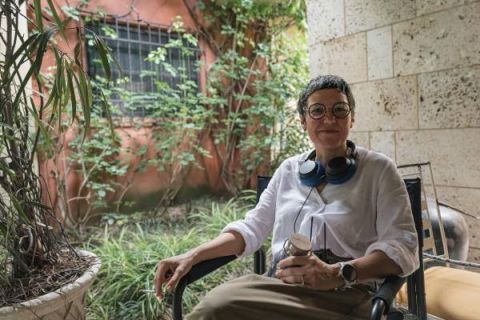
Ana Endara Mislov (Panama)
Ana Endara Mislov is a director, screenwriter, and producer. She holds a bachelor’s degree in social sciences from Florida State University and studied film directing at the Escuela Internacional de Cine y Televisión (EICTV) in San Antonio de los Baños, Cuba. In 2012 she founded Mansa Productora, a small independent audio-visual production company in Panama City.
She has made the films “Curundú” (2007), “Reinas” (2013) and “La felicidad del sonido” (2016). The latter was world premiere at IDFA - Amsterdam International Documentary Film Festival, the most important of its kind, competing in the medium-length documentaries section. “Para su tranquilidad, haga su propio museo” (2021), her most recent work, co-directed with Pilar Moreno, also had its world premiere at IDFA, this time as part of the Envision Competition. Since then, it has been selected in prestigious festivals such as HotDocs, Ambulante, Málaga, Cinélatino, FICCI, DOC NYC, among many others. Cinema Tropical included the film among the 2022 twenty-five best Latin American films of the year. Ana Endara's work shares different perspectives on Panamanian society, raises questions and explores the sense of belonging.

Anna R. Costa (Spain)
Anna R. Costa is a Spanish screenwriter, theatre and film director. She holds a major degree in Philology and Dramatic Art, specialised in Direction and Playwriting. TV series: creator, producer, screenwriter, and director of “Fácil”; creator, co-director, screenwriter, and producer of “Arde Madrid”; screenwriter of “Leonart” for TVE, “Ácaros” for Cuatro and “Ventdelplà” for TV3, among others. Short films: screenwriter of “Vaca Paloma” and “La vuelta a la tortilla”, directed by Paco León; author and director of “Con lengua”, winner of 13 awards. Feature films: screenwriter of “Bajo el mismo techo” and “Embarazados”, directed by Juana Macías. Author of the screenplay “A Glòries”, winner of the Sant Jordi Prize of the Generalitat de Catalunya. Playwright and director of various theatrical productions such as “Emilia”, nominated for the 2018 Max Awards.
She also teaches acting and Dramatic Literature in various in Madrid and Barcelona. She is also a mentor in the Residency program of the Film Academy, Residency of Navarra, Tabakalera San Sebastián.
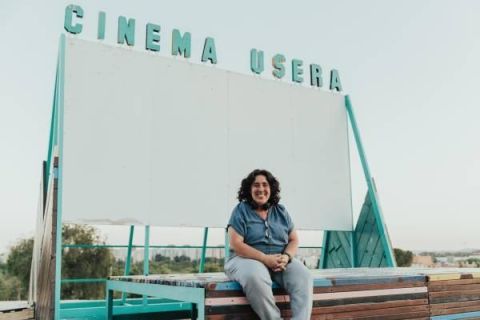
Arantxa Echevarría (Spain)
Arantxa Echevarría is a director and screenwriter. Her first feature film, “Carmen y Lola”, was nominated for eight Goya Awards in 2019, winning two; Best New Director and Best Supporting Actress for Carolina Yuste. The script was also a finalist for the Julio Alejandro Prize of the General Society of Authors and Publishers (SGAE). In addition, she was selected in 2018 for the Directors' Fortnight of the Cannes Film Festival, becoming the first Spanish director to be selected for the Fortnight. In 2021 was released her feature film “La Familia Perfecta” (The Perfect Family), a comedy starring Belén Rueda and José Coronado and distributed by Universal and with the participation of Antena 3. The film achieved one of the ten highest box-office revenues of the year and number one on Netflix Spain and number two on Netflix worldwide. She has also directed on television the last chapter of the series “El Cid” and two chapters of “Días mejores”, (When You Least Expect It) both for Amazon Prime.
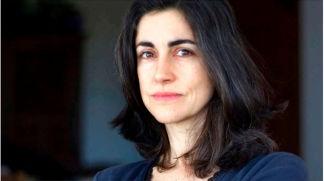
Avelina Prat (Spain)
Avelina Prat has a degree in architecture and a long career in cinema, where she has worked as a script in more than thirty feature films, with directors such as Fernado Trueba, Lucile Hadzihalilovic, Javier Rebollo and Cesc Gay. She has written and directed many short films of wide recognition in national and international festivals, such as “3/105”, selected at the Venice Film Festival in 2014. “Vasil” is her first and long-awaited fiction feature film.
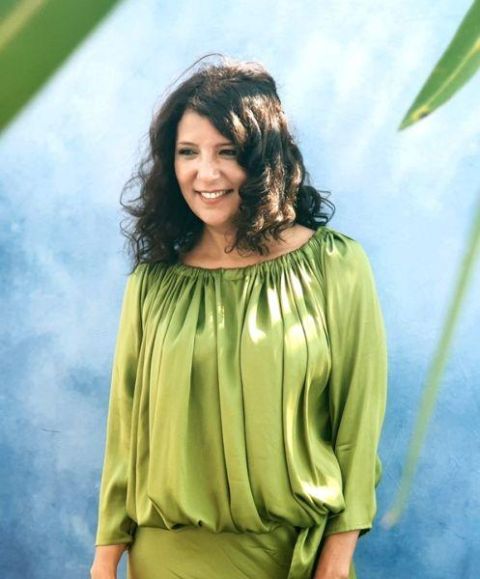
Bahia Bencheikh El Fegoun
Algerian filmmaker Bahia Bencheikh El Fegoun has used cinema to capture the human dimension of her society, where dreams of justice and freedom condemned people to perpetual resistance.
At the heart of contemporary political and social issues, her work questions the dehumanization of debates and offers a new, more intimate, response to societies movement.
Us, outside features women, their bodies and choices in a masculine public space.
In Dream fragments, minorities sacrifice themselves to fight the present with no future prospects.
She is completing Algeria's first all-female documentary.
Currently in residence at Casa de Velazquèz in Madrid, she is working on the figure of the Witch.
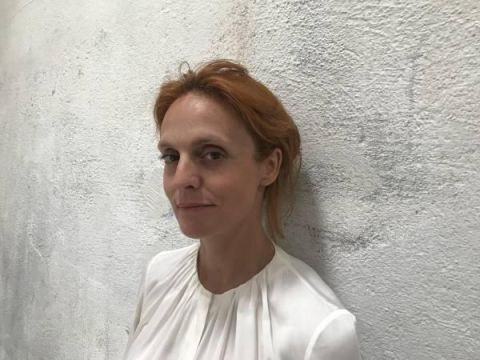
Beatriz Navas (Spain)
She holds a master’s degree in Audiovisual Communication and a PhD in Film Analysis from the Universidad Complutense de Madrid (UCM). in 2003 she began collaborating with La Casa Encendida, a centre of contemporary culture, and was responsible for its audiovisual department from 2008 to 2014, and of its music and performing arts department from 2014 to 2017. She is the co-founder of the free online platform for independent and cutting-edge cinema plat.tv, which specializes in Spanish and Latin American experimental cinema. From 2018 to June 2023, she has been general director of the Institute of Cinematography and Audiovisual Arts of Spain (ICAA). Her career has been characterized by promoting policies and projects aimed at addressing the gender gap in the cultural sector and, especially, in the audiovisual sector.
Bertha Gaztelumendi (Spain)
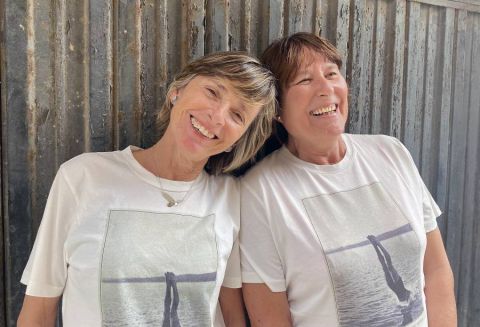
Bertha Gaztelumendi (Irun, Gipuzkoa. 1962) has directed the documentaries “Mariposas en el hierro” (2012), premiered in Zinemira, Volar (2017), also presented in San Sebastián; “Ez, eskerrik asko. Gladysen leihoa” (2019), the medium-length film “Nigar franko egingo zuen aitak” (2014) and the short film “Las buenas empresas” (2015), co-directed with Nuria Casal.

Brigitte Jirku (Country)
Brigitte Jirku is Professor of German Language Literature at the Universitat de València. Her recent work focuses on literary spaces that explore memories of collective and individual violence and the redefinition of the victim-perpetrator paradigm. A constant in her research is contemporary German-speaking theatre, with special emphasis on the theatre of playwriters such as the Austrian Nobel laureate Elfriede Jelinek.
Catherine Gautier (París, 1951)
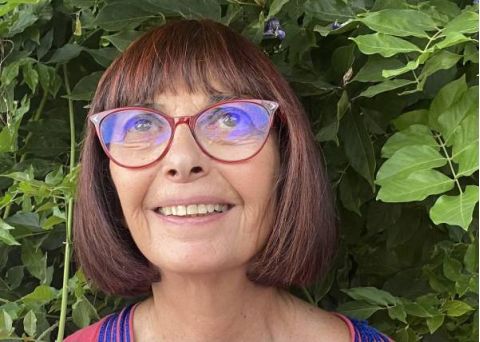
She studied Spanish Philology, English Philology and Cinema, complementing it with regular attendance at the French Cinematheque. When she was 19 years old, she moved to Madrid, where she studied Image Sciences. In 1975 she joined the diffusion team of the National Film Archive of Spain. In 1982 she acquired Spanish citizenship and since 1989 she held the position of Deputy Director of the Filmoteca Española -Spanish Cinematheque-, where she was responsible for the supervision of deposits and acquisitions, the recovery of Spanish cinema heritage abroad and the programming of the Cine Doré in Madrid.
For years she was responsible for finding copies of films not available in Spain -often as a detective-, as well as managing exhibition rights. Consequently, she could organize several hundred thematic sessions and comprehensive retrospectives of worldwide cinema authors from all decades. She also was a regular collaborator and advisor to various institutions and festivals, including the San Sebastian International Film Festival, such as a member of the Programming Commission of the FIAF (International Federation of Film Archives) and part of the Executive Committee of the ACE (Association of European Cinematheques).
Chelo Loureiro (Spain)
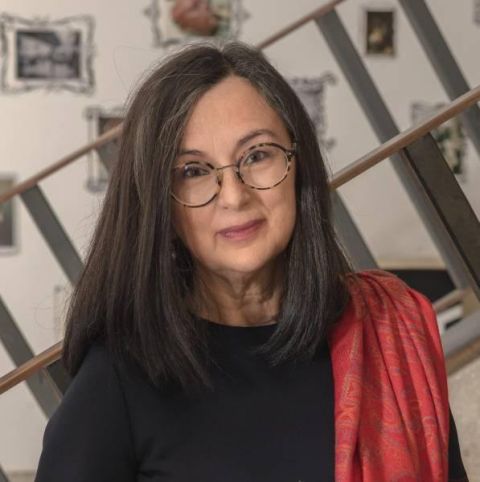
Chelo Loureiro is a filmmaker born in Ferrol, Galicia. She has produced more than twenty projects that have obtained more than three hundred awards at international festivals, in addition to three Goyas -and nine nominations-, one Gaudí and ten Mestre Mateo. She is committed to auteur cinema of unquestionable quality - art house - from her own perspective, as well as to support young filmmakers.
Valentina, her first feature film as a director, won the Goya Award for Best Animated Film in 2022, an award she repeated in 2023 with Alberto Vázquez's feature film Unicorn Wars.
Cristina Andreu (Spain)
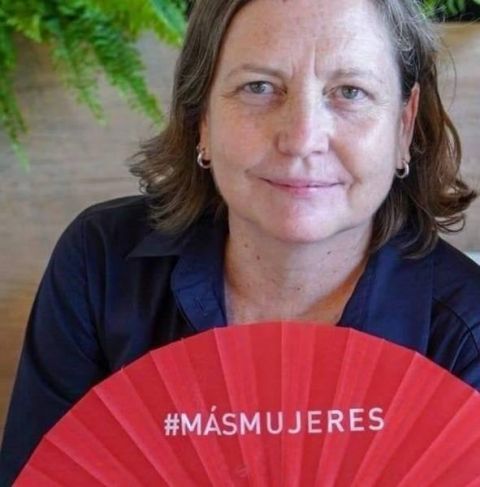
Cristina Andreu has worked as a director and scriptwriter in documentaries and reports for different production companies. She is the director of one of the four episodes of the feature film “Delirios de Amor” and screenwriter and director of the feature film “Brumal”, for which she was nominated for the Goya for Best New Director.
She has worked in the Special Department of Canal Plus in the direction, script and editing of specials on cinema, making of films and art documentaries. She has been a member of the Board of Directors and responsible for Communication of “Médecins du monde”. She has shot documentaries from conflict zones such as Goma (refugee camps from the exodus from Rwanda), Bosnia and Chiapas. She has written the book “Isabel Coixet. Una mujer bajo la influencia” and the “Guía de la creación Audiovisual: de la Idea a la Pantalla” for the AECID. She is a professor at the Escuela de Cine y TV de la Universidad Veritas (Costa Rica).
She lived in Bethlehem, where she directed “Bernarda Alba in Palestine” selected in many national and international festivals and has coordinated the 1st Ibero-American Film Festival in Palestine. In 2021 was released her documentary “Las tres vidas de Carlos Slepoy”. She is the president of CIMA (Asociación de mujeres cineastas y del Audiovisual) (Association of Women Filmmakers and Audiovisual), which has more than 1100 members.

Diego da Costa (Brazil)
He holds a degree in Audiovisual Communication from the UCM and master’s in network communication from the UNED. He has worked in specialized cultural media such as eCartelera, Fórmula TV, YoTele, among others. As a filmmaker, he has released three short films and currently has two plays under his belt. Since 2018 he has worked at "Cinemagavia", where he serves as deputy director, organizes the Cinemagavia Awards and directs the Theater section on the web.
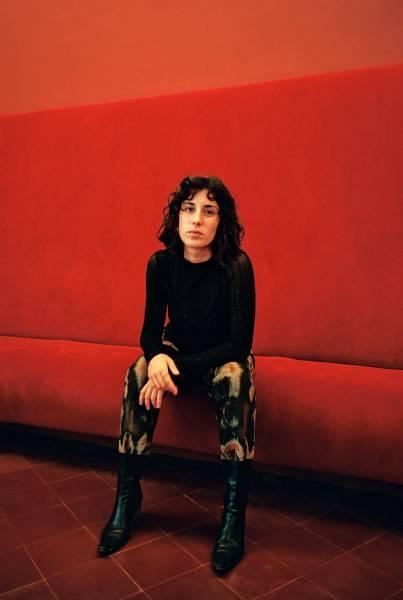
Elena Martín Gimeno (Spain)
Elena Martín Gimeno is an actress, director, and screenwriter. Her debut as a film director was “Julia ist”. Her career as a director and screenwriter in television includes projects such as “Vida perfecta”, “Veneno” or “En casa”, projects, where she also played. We have also seen her playing in “Les amigues de l'Àgata” (2015), “Con el viento” (2018) and “Suc de síndria” (2019). In the field of theatre and performance she co-founded the experimentation laboratory “Els Malnascuts “and is a founding member of the VVAA collective. Her second feature film, “Creatura” was awarded the Europa Cinemas Award for Best European Film.
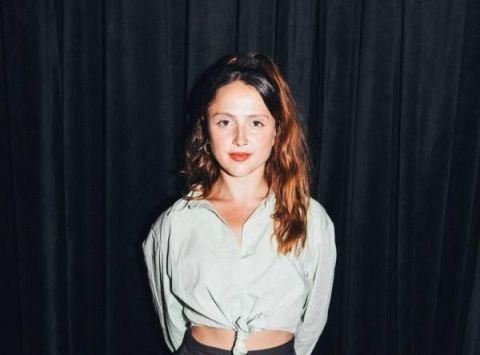
Emina Smajić (Croatia)
Emina Smajić, Zagreb, 1992, is the Bosnian-Muslim daughter of a refugee family and grew up in Berlin. Before starting her studies, she worked for several years as a production assistant. She studied film and television production at the Filmakademie Baden-Württemberg, specializing in "Content Development". In recent years, she has produced and developed films and series, with a focus on women's empowerment. She focusses in telling intercultural and diverse stories. The feature film “Elaha”, which she produced as a final project, had its world premiere at the Berlinale International Film Festival. Emina Smajić currently works for MadeFor Film, a Berlin-based production company.
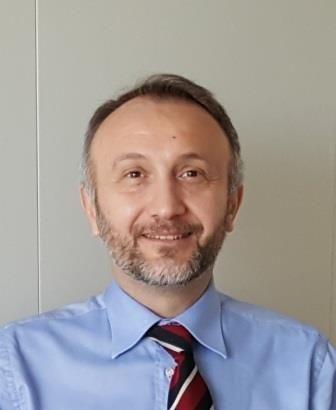
Enrico Vannucci (Italy)
Ennio Vannucci is the Deputy Executive Director of Eurimages, the Council of Europe’s film fund. Enrico joined Eurimages at the beginning of 2017, after 15 years spent in the Council of Europe, where he worked in particular, in the fields of human rights and local democracy. Before moving to Strasbourg, he worked for several years in the financial sector in Italy and in several other European countries. His role at Eurimages includes, among other things, coordinating the Gender Equality and Diversity activities.
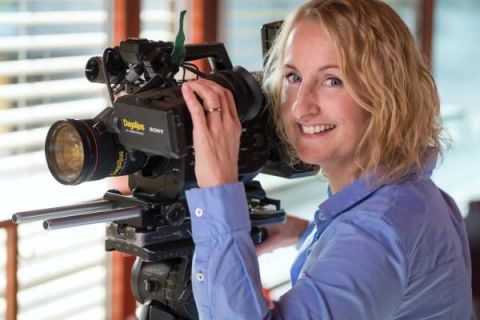
Eva Beling (Sweden/USA)
Eva Beling is a director and producer, owning Beling Films AB. She holds a BA from San Francisco State University. In San Francisco she was granted of The National Academy of Television Arts and Sciences Emmy Award Production Scholarship.
Among her major productions are “The Women and Bergman” (2007) and “The Men and Bergman” (2008) where several prominent Swedish actors discuss their work with Bergman in film and theater; as well as the two-episodes TV series, “A Life With Cinema” (2011) about Sweden’s legendary film critic Mr. Nils Petter Sundgren who has followed the world cinema since 1963.
Prejudice & Pride -Swedish Film Queer is her first feature documentary.
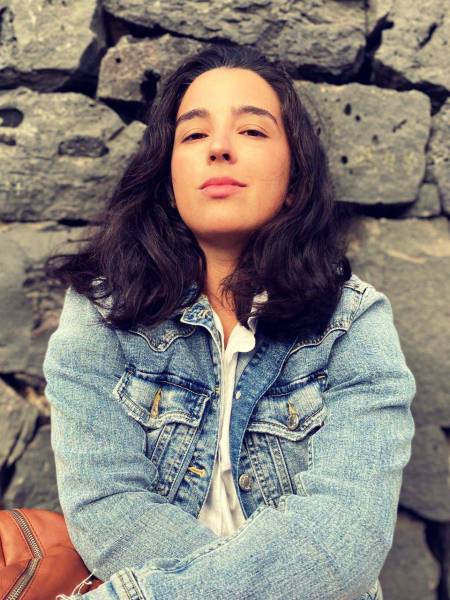
Eva Hernández (Spain)
Eva Hernández is a researcher and lecturer in film analysis at the Complutense University of Madrid. A double graduate in Journalism and Audiovisual Communication, Eva has dedicated herself to the study of cultural products with a special focus on the female and homosexual position in film. She has made numerous contributions as author, editor and coordinator to books exploring current issues in communication. With a strong interest in the use of social networks and new technologies from a psychoanalytical approach. Coordinator of several cultural events in the field of communication such as the H Congress.
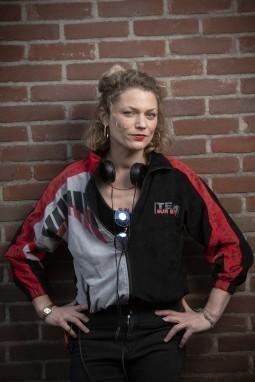
Ève Duchemin (Belgium)
While learning the craft of image at INSAS (Belgium) in the 2000s, Ève Duchemin found, camera in hand, her cinematographic language. She quickly directed documentary portraits (and handled their photography). She traveled around Wallonia and filmed the old miners from the Borinage region, the passion for pigeons and the disappearance of factories (“Ghislain et Liliane, couple avec pigeons” (2005), “Mémoire d'Envol” (2007) and “Le Zoo, L'Usine et la Prison” (2006). She then outlined the portrait of an increasingly precarious youth in “Avant que les murs tombent” (2009) and “Adulthood” (2012), awarded at Brive, Nyon, Poitiers and Clermont Ferrand. In 2009, she shot a fiction short film in 16mm, “Sac de Nœuds” which received the Beaumarchais prize and the “Le court en dit long” prize. While preparing the documentary film “En Bataille, portrait d'une Directrice de prison” (Into Battle) (Magritte for Best Documentary 2016), Ève Duchemin discovered, from the prisoners with whom she did a workshop, the theme of her first fiction feature film: “Le temps mort” (Time Out).

Hanna Doose (Germany)
Hanna Doose was born in Cologne in 1979 and studied at the European Film School in Denmark and at the German Film and Television Academy in Berlin. During her studies, Hanna Doose was a guest student at the Ernst Busch Academy of Dramatic Arts and at the Stockholm Institute of Dramatic Arts. She also worked in television, completed several short films and directed a segment of the documentary project "24 h Berlin – Ein Tag im Leben" (2009). Her graduation film, “Dust on Our Hearts”, won three awards at the 2012 Munich Film Festival: directing, producing and audience. Her first film, “Kiss My Wounds” won the Audience Award at the Munich Film Festival and was nominated for the Young German Cinema Award in four categories. It has also been selected at festivals like the Tallin Black Nights Film Festival.
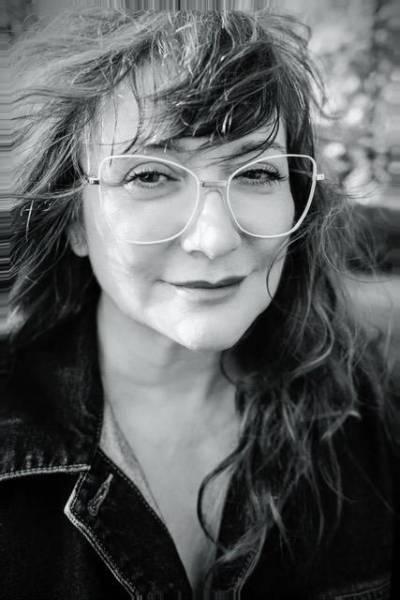
Isabel Coixet (Spain)
Isabel Coixet is a film director, screenwriter, translator, and writer. She started making films when she was given an 8mm camera for her first holy communion. After graduating in History from the University of Barcelona, she dedicated herself to advertising, an activity that led her to win multiple awards and to found her own production company in 2000, Miss Wasabi Films. In 1989 she debuted as screenwriter and film director with the TV drama “Demasiado viejo para morir joven” (“Too Old to Die so Young”), which earned her a nomination for the Best new director at the Goya Awards. Numerous feature films would follow, many of them awarded with Goyas. In 2015 she received the Chevalier des arts et des lettres Medal from the French Ministry of Culture and in 2020 the National Film Award. In 2022 she premiered “El sostre groc” (“The Yellow Ceiling”), nominated for the Best Documentary at the Goya Awards.
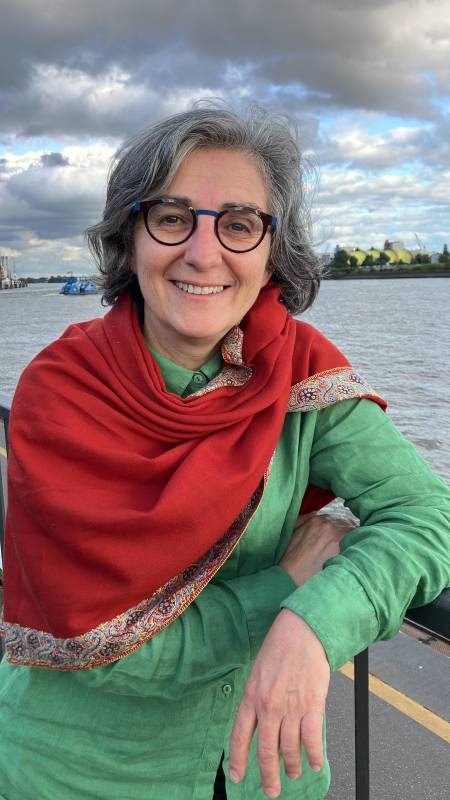
Isabel Herguera (Spain)
Isabel Herguera studied Fine Arts at the Kunstakademie Duesseldorf, Germany and Animation at the California Institute of the Arts (Calarts). She worked for several animation productions in Los Angeles before returning to Spain in 2003 to direct Animac and to take on the coordination and programing for the Laboratory of Moving Image (LIM). Shas directed, and produced several short films, including “La Gallina Ciega” (2005), “Ámár” (2010), “Bajo la Almohada” (2012), “Amore d'inverno” (2015) and “Kutxa Beltza” (2016). Her films have won over fifty international awards, including a Goya Award nomination in 2006 and have been widely shown in festivals and venues around the world. Since 2017, she teaches animation regularly, in Germany, India and China. The Sultana's Dream (2023) is her first feature film.v
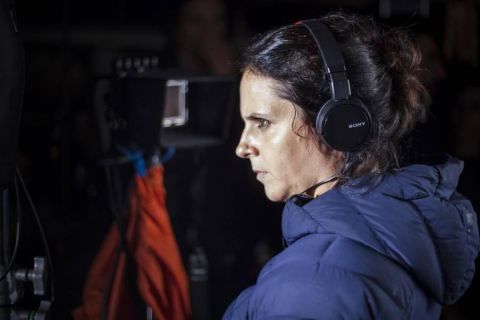
Jaione Camborda (Spain)
Jaione Camborda is a filmmaker from San Sebastian based in Galicia, who studied at the Prague Film School (FAMU) and the Munich Film School (HFF). Her first feature film, “Arima” (2019) was widely awarded at several festivals. It is worth noting her work as a director short works shot with film material, such as “Proba de Axilidade”, “Nimbos”, “Lilit” or “Rapa das Bestas”, all of them produced by Esnatu Zinema. She has also participated as a screenwriter in the feature films “Os fenómenos” and “Ons”, directed by Alfonso Zarauza, and has worked as an art director in several feature films. She has also been selected to participate in different laboratories and residencies. In addition she has recently be granted the TIFF Canada Goose scholarship.

Kateryna Shevchenko (Ukraine)
Kateryna Shevchenko started her film career in Kyiv in 2014. After the Russian invasion, she moved to Madrid. She has founded the Ukrainian Film Week, the first ever Ukrainian film festival in Spain, in collaboration with the Filmoteca Española (The Spanish Film Archive) and the Círculo de Bellas Artes. She has also founded UFACE (Ukrainians for the Arts, Culture and Education), focused on the development and support of Spanish and international projects that have at heart the enhancing and appreciation of Ukrainian cultural and artistic values. One of their recent projects, a new score, by composer Luke Corradine, for the classic Zemlya (Earth, 1930) by Dovzhenko, premiered at the Film Academy Museum in Los Angeles in July.
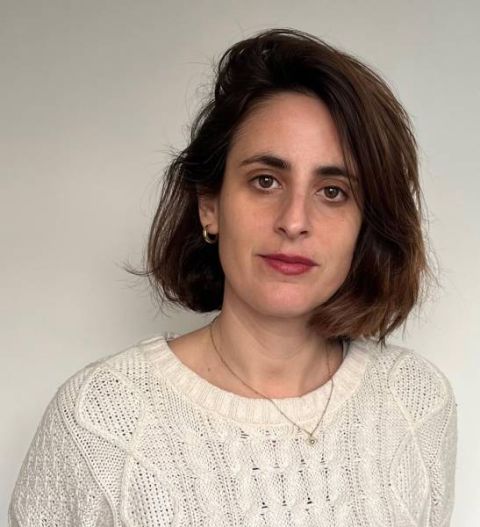
Ma'ayan Rypp (Israel)
Ma'ayan Rypp is a director and screenwriter. Her short films, “Martha must Fly” (2011) and “Itch” (2021) have screened at numerous festivals, including Cannes, Palm Springs and Raindance, and have won different awards, such as Best Film, Most Promising Artist, as well as special mentions. Her first feature film, “The Other Widow”, premiered at the Tallinn Film Festival and received a special mention at the Sofia International Film Festival. Ma'ayan Rypp has worked in the Art Department of several films and is working on her second feature film.
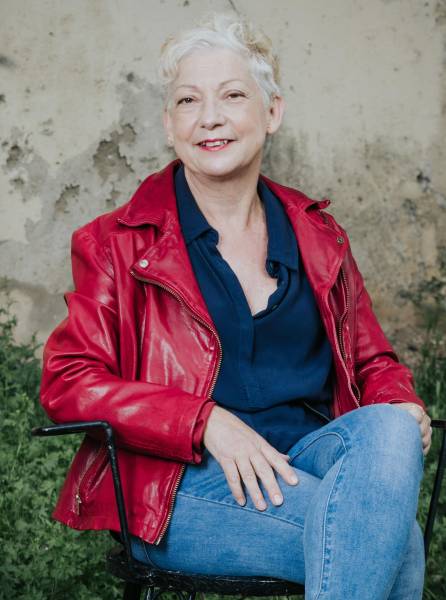
Magda Puyo (Spain)
Magda Puyo is a theatre director. She recently premiered in Madrid “Solo yo escapé” (Escaped Alone) by Caryl Churchill and, coinciding with the Films by Women Festival, the show “Viaje de invierno” (Winter Journey) by Elfriede Jelinek. In her career she shows a special interest in the work of current playwrights little known in Spain. She was the director of the Festival Sitges Teatre Internacional - Creació Contemporània and General Manager of the Institut del Teatre, where she continues to teach Direction and Acting.
María Cabal (Spain)
María Cabal is a cultural manager, expert and communicator and member of the CortoEspaña Commission. She has been Head of press and communication of several productions and the Madrid Film Festival for two years where she was also on the selection committee. She has a weekly program on a local radio station where she talks about everything related to culture and especially with the seventh art that is called as her website, "Paseando a Miss Cultura" (Driving Miss Culture).
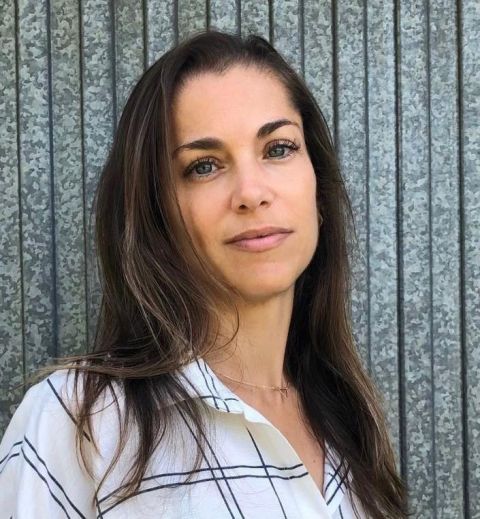
María Zamora (Spain)
Since 2021, María Zamora is a producer and partner of Elastica Films. She has produced around twenty feature films as “Mapa” by León Siminiani, “Todos están Muertos”, by Beatriz Sanchís, “Los días que vendrán” by Carlos Marqués-Marcet, “My Mexican Bretzel” by Nuria Giménez Lorang and “La mujer sin Piano”, by Javier Rebollo. She also produced “Libertad”, the debut film by Clara Roquet and the works of Carla Simón, “Verano de 1993” and “Alcarràs”, 2022 Golden Bear at the Berlinale. Her 2023 premiered new productions are “Creatura”, by Elena Martín, and “O corno” (The Rye Horn) by Jaione Camborda. She is now working in the production of ‘’Hildegart’’ by Paula Ortiz and ‘’La mitad de Ana’’ by Marta Nieto, ‘’Las madres no’’ by Mar Coll and ‘’Romería’’ by Carla Simón. María Zamora, in addition to her usual attendance at festivals and markets with her own projects, has attended several international festivals as a jury member (Cannes, San Sebastian…)
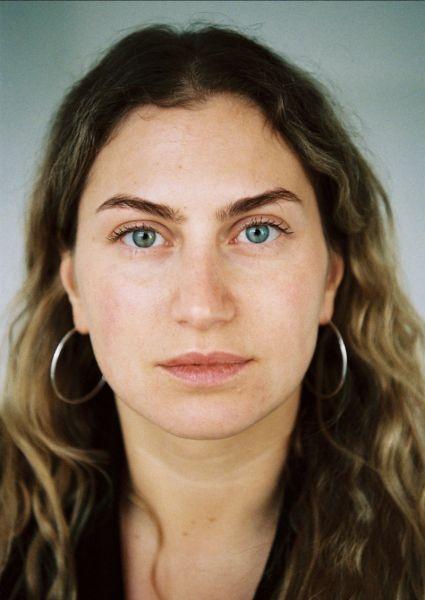
Marija Kavtaradze (Lituania)
Marija Kavtaradze is a film director and screenwriter. Born in 1991, she graduated from the Lithuanian Academy of Music and Theatre in 2014, majoring in Film Directing. Her debut film “Summer Survivors” (2018) successful journey at festivals. It achieved 26,000 tickets at the domestic box office, becoming the most appreciated Lithuanian independent film in 2019, also receiving three awards from the Lithuanian Film Academy. “Slow” premiered at the Sundance Film Festival and won the Best Director Award.

Marta Pérez Adroher (Spain)
Marta Pérez Adroher holds a degree in Psychology and is a specialist in Psychoanalytic Psychotherapy. She is currently coordinator of the psychotherapy program at FUNDHOS, aimed at people at social exclusion risk and is a psychoanalytic psychotherapist. In the academic field she is doctorate student, her PhD dissertation thesis deals with the ethics of psychoanalysis. She has published several works on human rights, feminism, and migration.

Maxa Zoller (Germany)
Dr. Maxa Zoller is the Artistic Director of IFFF Dortmund+Köln, one of the world’s oldest and largest Films by Women festivals. Maxa received her Ph. D. from Birkbeck College. Her interest in the interrelationship between art and cinema has marked her academic career. She taught art and film history and theory at the American University in Cairo, Goldsmiths College and Sotheby’s Institute of Art, London, amongst others. She has also curated several exhibitions in different museums and art galleries. In her writings she covers topics ranging from post-colonial and post-socialist identity discourse and feminism to her academic expertise, the history of Western avant-garde and experimental film.

Natalia de Molina (Spain)
Natalia de Molina studied musical interpretation at the Escuela Superior de Arte Dramático in Málaga. Her career took off in 2014 with the film “Vivir es fácil con los ojos cerrados” (Living is easy with Eyes Closed) by David Trueba, for which she won her first Goya Award as Best newcomer actress. Since then, Natalia has developed one of the most versatile, risky, and promising careers in Spanish cinematography today, working both in commercial films, such as “Kiki, el amor se hace” (2016), and in more experimental, independent or auteur cinema, such as “Elisa y Marcela” (2019). In 2015 she was sponsored by Natalie Portman at the Berlinale which granted her with the European Shooting Star award. A year later, in 2016, she won her second Goya Award, this time for Best Leading Actress for her work in “Techo y comida” (Food and Shelter), thus becoming the youngest actress to have two statuettes. In 2023 she premiered “Asedio” and participated in the shooting of the Netflix TV series “Mano de hierro” and in the film “Desmontando un elefante”.
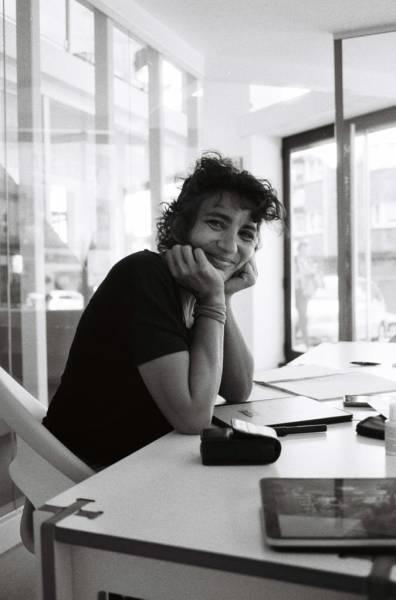
Olga Osorio (España)
Olga Osorio es doctora en Humanidades por la UDC (premio extraordinario) y licenciada en Periodismo por la Complutense de Madrid, es catedrática de enseñanza secundaria en la especialidad de Procesos y Medios de Comunicación en la Escuela de Imagen y Sonido de A Coruña, en la que imparte Dirección y gestión de cine, así como Planificación de cámara. Ha dirigido varios cortos, como Mouras, ganador de 69 premios, y ¡Salta! es su primer largometraje. Actualmente trabaja en su segundo largometraje.
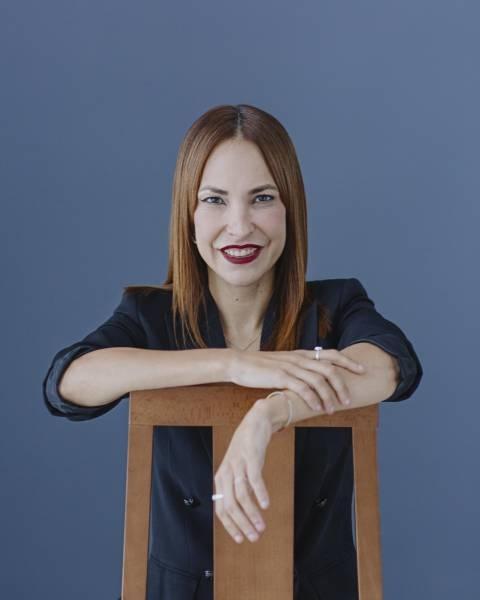
Paula Ortiz (España)
Paula Ortiz es directora, investigadora y docente española en el área de Estudios Cinematográficos y otros Medios Audiovisuales. Se licenció en Filología Hispánica y en el máster en Escritura cinematográfica y televisiva. También aprendió dirección cinematográfica en la Tisch School of the Arts de la Universidad de Nueva York (NYU) y completó sus estudios de escritura de guiones en la UCLA. Participó en la Expo Guionistas de Los Ángeles y otros foros de guionistas en España y Estados Unidos. En marzo de 2012 estrenó su primer largometraje, De tu ventana a la mía, recibiendo numerosos premios nacionales e internacionales y logrando éxito comercial. En 2015 estrenó La novia, adaptación de la obra teatral Bodas de Sangre de Federico García Lorca. La película recibió elogios unánimes de la crítica y fue ampliamente nominada y premiada. Ambas películas, de gran éxito en la taquilla española, se distribuyeron internacionalmente en más de 20 países. También ha dirigido series como En Casa (2020). En 2021 filmó Al otro lado del río y hacia los árboles, basada en la novela de Ernest Hemingway. En 2023 ha estrenado Teresa,
basada en La lengua en pedazos, de Juan Mayorga. Su próximo proyecto es el largometraje Hildegart, a partir de un guión de Eduard Solà, una producción original para Prime Video con Najwa Nimri en el papel protagonista.
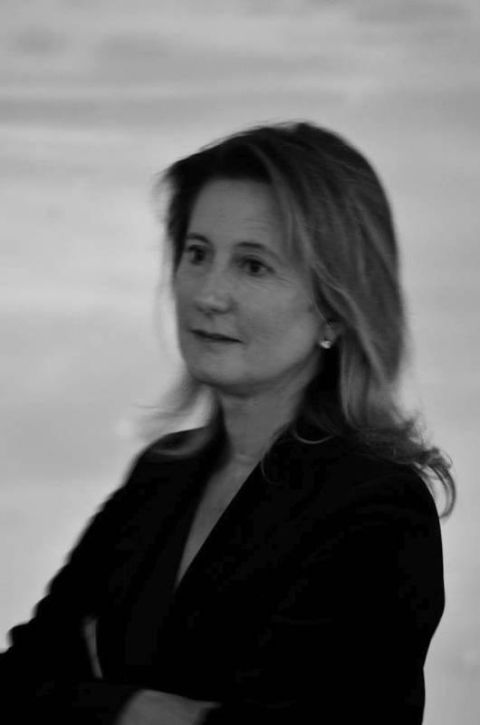
Piluca Baquero
Su primera película como productora se presentó en la Mostra de Venecia, Ojalá Val del Omar, documental sobre la vida y obra del singular cineasta, su tío abuelo José Val del Omar, este fue el principio de toda una vida dedicada a la difusión, y recuperación de su obra. Es directora del Archivo Val del Omar que gestiona su legado y del Grado en Cine y Ficción Audiovisual de la Universidad Camilo José Cela. Ha producido más de 20 largometrajes, actualmente desde Ramen Studio.

Raquel Osborne (Spain)
Raquel Osborne es profesora honorífica de Sociología en la UNED. Obtuvo una beca Fulbright para estudiar en la Universidad de Nueva York. Investiga sobre la intersección entre el género y la sexualidad, en particular sobre la sexualidad femenina en el siglo XX en España. Ha dirigido el proyecto de investigación Memoria y sexualidad de las mujeres bajo el franquismo plasmado en el documental homónimo y en el libro del que es compiladora Mujeres bajo sospecha. Memoria y sexualidad, 1930-1980 (5ª ed. Revisada y ampliada en 2022).
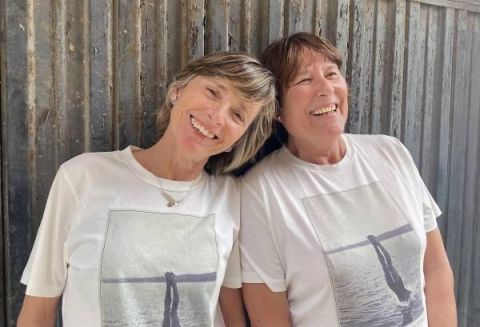
Rosa Zufía (España)
Rosa Zufía (Tudela, Navarra. 1958) ha trabajado en Euskal Telebista como redactora-editora y dirigiendo programas culturales. Entre 1999 y 2006 fue subdirectora de informativos. También contribuyó a la creación del centro internacional de cultura contemporánea Tabakalera, en Donostia, como directora de comunicación (2006-2011). En 2022 fue jurado del premio RTVE-Otra Mirada. Arnasa betean, emakume zinegileak es su primera película.
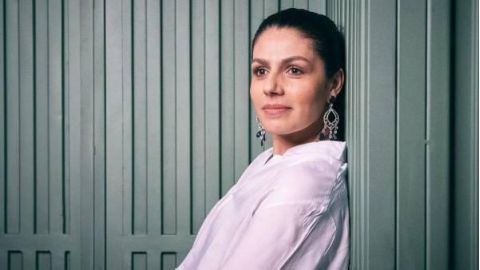
Shabnam Rahimi (Afganistán)
Shabnam Rahimi es boxeadora y actriz. Nació en Afganistán en 1993. En 2009, tras varios años de exilio en Irán, regresó junto a su familia a Kabul, donde con 14 años comenzó una exitosa carrera como boxeadora, enfrentándose a la persecución. En 2015 protagoniza Boxing Freedom, un documental que narra su historia y la de su hermana mientras entrenan arduamente “enfrentándose a las tradiciones de su país, al miedo y a su propio destino para ser mujeres libres”. Debido a las crecientes amenazas a su vida, solicita y obtiene el asilo en España, donde reside desde 2016. En 2023 ha debutado como actriz en la serie Unidad Kabul, de Movistar+.

Sia Hermanides (Holanda)
Sia Hermanides (1986) es guionista y directora. Con sus películas y series quiere crear nuevas imágenes y mostrar historias subexpuestas. Después de obtener su licenciatura en Medios y Cultura en la Universidad de Ámsterdam y enseñar durante unos meses en Tanzania, Hermanides se graduó cum laude en la Escuela de Artes de Utrecht en 2010 en dirección de guión y dirección de ficción. En 2016 escribió y dirigió la serie de televisión Voetbalmeisjes y en 2019 dirigió la serie Papadag y el mediometraje Afua. Durante los últimos dos años, Hermanides ha escrito y dirigido las dos primeras temporadas de Ninja Nanny, vendida a varios países. White Berry es su primer largometraje.
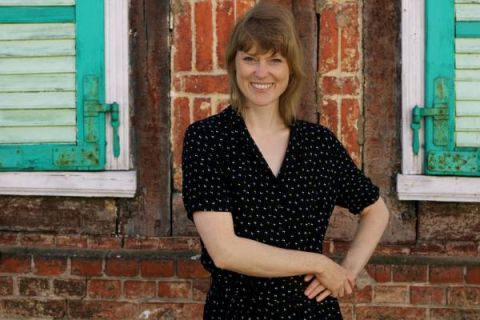
Simone Geißler (Germany)
Simone Geißler is an actress, author and director. She was born in the German city of Chemnitz (Karl-Marx-Stadt when she was born). She completed her acting training at the European Theatre Institute in Berlin. Subsequently, she appeared in projects such as “Die Snobs – Sie können auch ohne dich”, “Alles Klara”, “Spirit Berlin” (a fiction documentary for cinema) and “The Bitter Taste” (an international feature film). With “Asphyxia”, she embarked on her first independent film project as a writer, co-producer, and actress. “Haus der Stille” is her directorial debut.
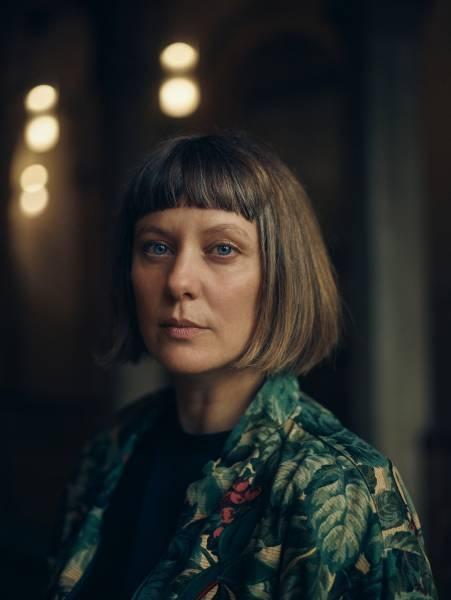
Steffi Niederzoll (Germany)
Steffi Niederzoll was born in Nuremberg in 1981. She studied at the Academy of Media Arts of Cologne (KHM) and at the Cuban’s School of Film and Television (EICTV). Her short films have been successfully screened at numerous renowned national and international film festivals, such as the Berlinale. In addition to her film work, she also participates in interdisciplinary artistic works. Together with Shole Pakravan, she wrote the book “How to Become a Butterfly”, which was published in 2023. “Seven Winters in Tehran” is her first feature documentary and her directorial debut.
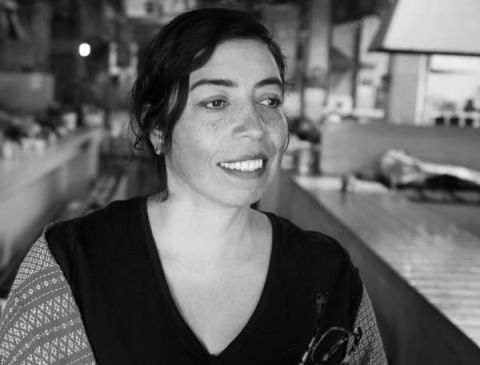
Tatiana Huezo (Mexico/El Salvador)
Tatiana Huezo is a Mexican-Salvadoran filmmaker. She graduated from the Centro de Capacitación Cinematográfica and holds a master’s degree in Creative Documentary from the Pompeu Fabra University of Barcelona. She gained an international reputation with her debut feature film “El lugar más pequeño” (The Smallest Place) (2011), screened at more than 80 international festivals. Her works have obtained various awards around the world and have been valued by the Mexican Academy of Cinematographic Arts and Sciences (AMACC) with eight Ariel awards. In addition, her films “Tempestad” and “Noche de Fuego” were selected by the AMACC to represent Mexico in the Oscar Awards and in the Goya Awards, being nominated in the latter to compete in the category of Best Ibero-American Film in 2018 and 2022. She also gives lectures and teaches in different academic spaces.

Verónica Dávila (Spain)
Graduated in Information and Documentation from the Universidad Complutense de Madrid and Master in Multimedia Journalism. For as long as she can remember, she is addicted to cinema and TV series. Since 2013, she is the director of "Moobys.es" that made her win the Best Film and TV Blog Award in 2017. What started as a hobby has become a chronic passion. With a restless mind, she is also a traveler, a journalist and a professional photographer.
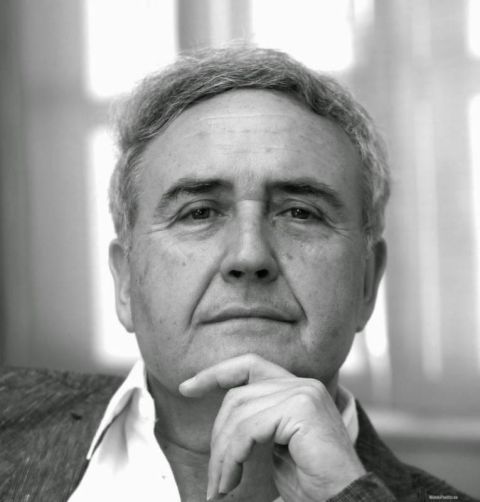
Vicente Molina Foix (Spain)
Novelist, poet, director and film critic, Molina Foix was the initiator of "Film Studies" at the University of Oxford. He has translated Shakespeare and the scripts of Stanley Kubrick's last five films. He won the Spanish National Literature Award in 2007 for his novel "El abrecartas", which was turned into an opera by the composer Luis de Pablo and premiered at the Teatro Real in Madrid in February 2022.