Sinopsis
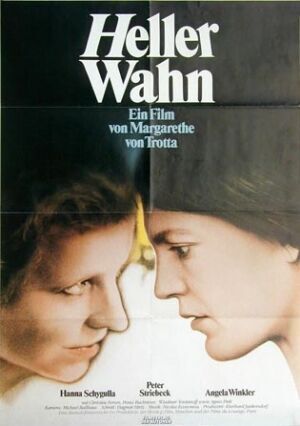
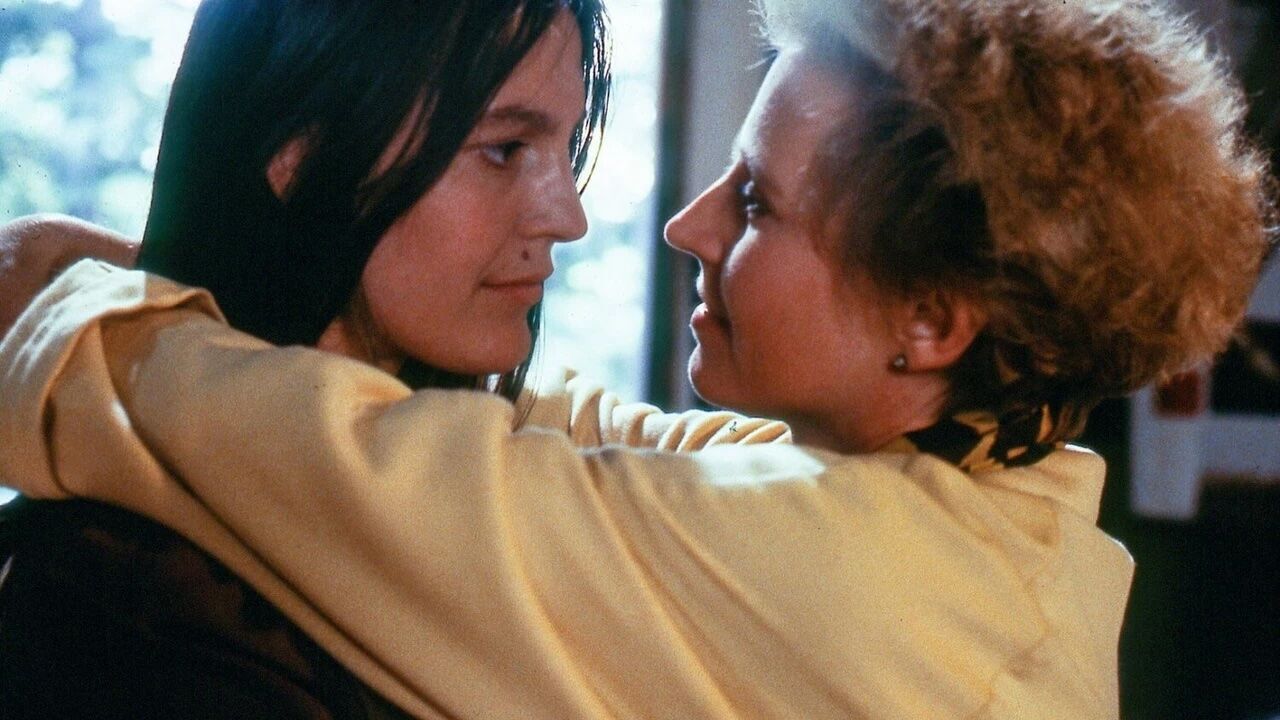
The film focuses on two very different women: Olga, a self-confident professor of German literature, and Ruth, a fragile and sensitive woman who has already attempted suicide several times. Although her husband Franz loves her, he overwhelms her with his overprotective attitude. Ruth increasingly withdraws into herself, seeking refuge in daydreams, nightmares, and visions. Olga tries to help her break out of her isolation and once again prevents her from taking her own life. Through her friendship with Olga, Ruth regains her self-confidence. At the same time, the conflict within her marriage comes openly to the surface: Franz first reacts with jealousy and resentment, and then with increasing aggression. Shortly before Ruth is admitted to a psychiatric clinic, she imagines shooting Franz and later thanking Olga for her help in court.
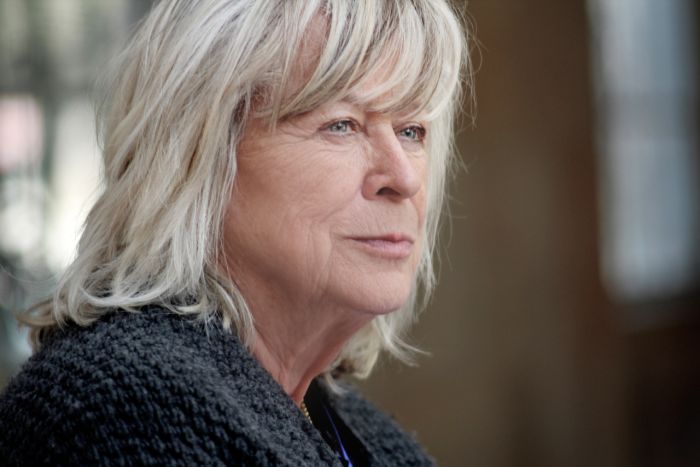
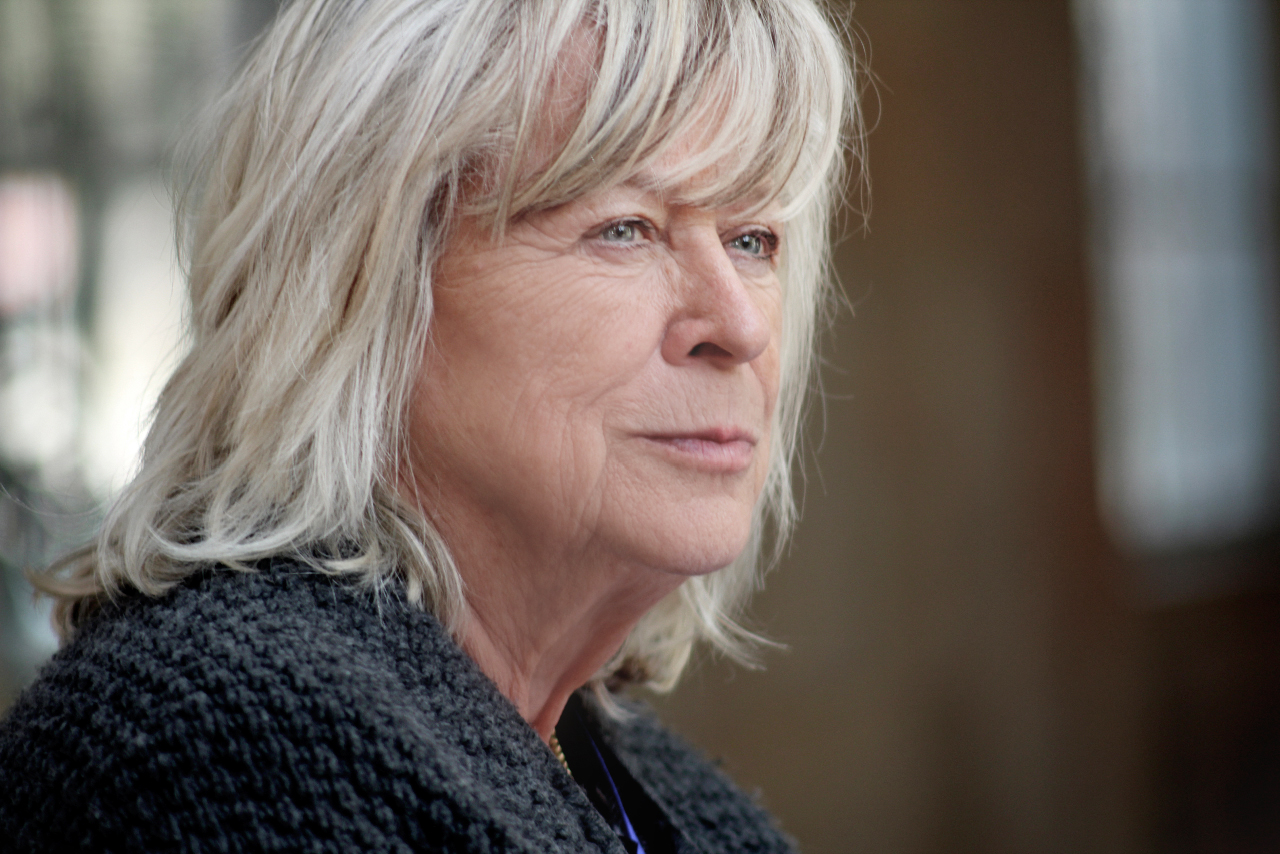
After completing her acting studies and working at theatres in Dinkelsbühl, Stuttgart and Frankfurt, Margarethe von Trotta appeared from 1967 onwards in numerous films of the New German Cinema, including works by Rainer Werner Fassbinder (e.g. The American Soldier, 1970), Herbert Achternbusch (e.g. The Andechser Feeling, 1974) and Volker Schlöndorff, with whom she also co-wrote several films (e.g. Strohfeuer, 1972) and co-directed The Lost Honour of Katharina Blum (1975).
Her first solo directorial film was The Second Awakening of Christa Klages (1978). This was followed by such widely debated works as The German Sisters (1981), Rosa Luxemburg (1986), The Promise (1995), as well as the multi-part television adaptation of Uwe Johnson’s Anniversaries (2000). Her films repeatedly return to an interest in reflecting on the past—both personal and political and social—and in approaching it critically.
In 2003, she directed Rosenstrasse and, following the psychological drama I Am the Other Woman (2006), returned to a historical subject with Vision (2009), devoted to the life of Hildegard von Bingen. The film portrays the life and development of the legendary mystic, known both for her medical knowledge and for being an early advocate for women’s rights.
Alongside her extensive filmography, Margarethe von Trotta has regularly directed theatre productions at various venues across Europe.
With the collaboration of the Asociación Amigos del Goethe-Institut España.
Saturday, Nov. 7th. 8:30 p.m.
Cine Doré de Filmoteca Española
Ticket sales: 3€ (2€ students)
Presentation and Q&A with the director and Ana Pérez, Film Programmer at the Goethe-Institut Madrid.
Year of Production: 1983
Time: 105’
Country: Federal Republic of Germany, France
Language: German. Original version with Spanish subtitles
Director: Margarethe von Trotta
Cast: Hanna Schygulla, Angela Winkler, Peter Striebeck, Christine Fersen, Franz Buchriese
Production: Eberhard Junkersdorf, Margaret Ménégoz
Script: Margarethe von Trotta
Director of Photography: Michael Ballhaus
Production Companies: Westdeutscher Rundfunk (WDR), Bioskop-Film GmbH, Les Films du Losange
Selected for the Golden Bear for Best Film at the 33rd Berlin International Film Festival in 1983