Sinopsis
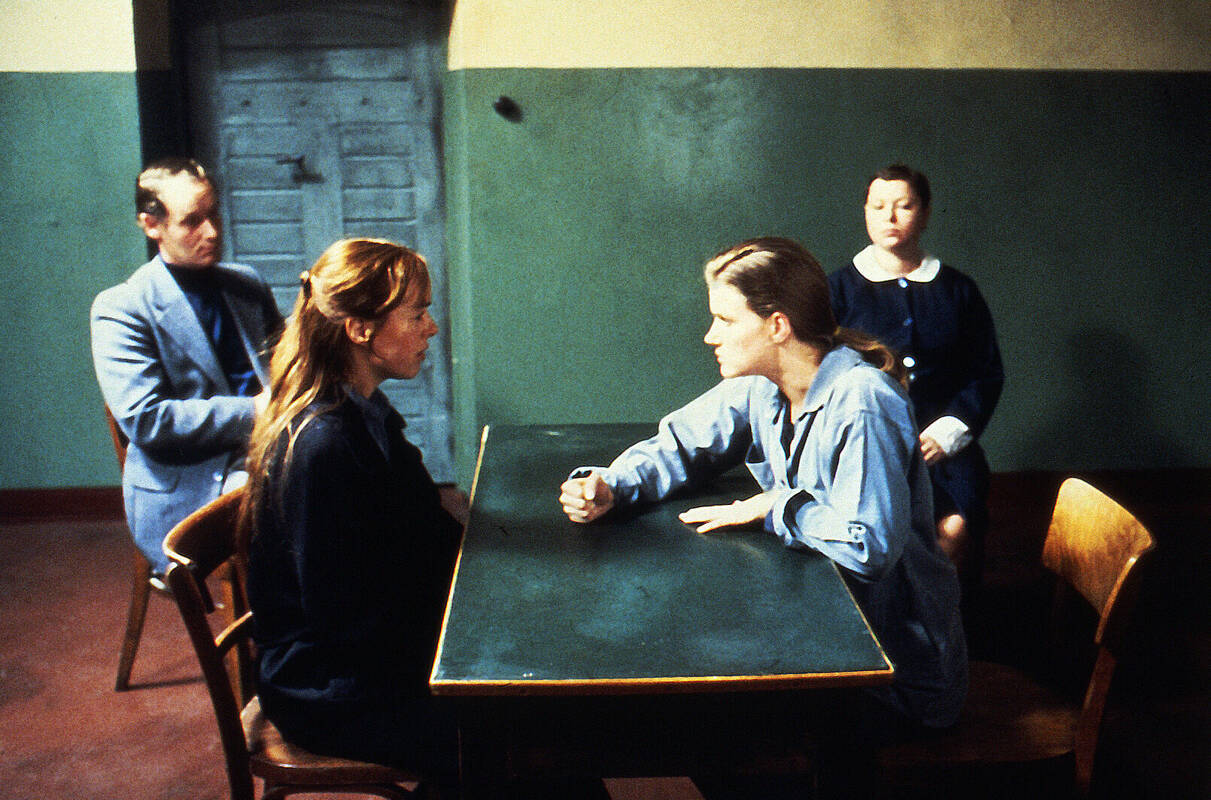
Set against the turbulent political climate of post-war West Germany, the movie follows the lives of two sisters whose paths diverge dramatically. Juliane becomes a journalist and women's rights activist, while Marianne embraces political extremism and joins a militant underground organisation. When Marianne dies in prison under controversial circumstances, Juliane begins a determined search for the truth. Her investigation evolves into a profound exploration of memory, family bonds, political commitment, and the unresolved tensions that shaped a generation.
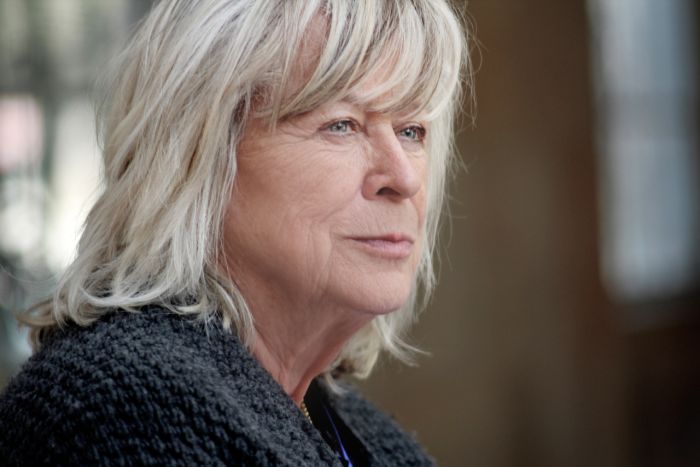
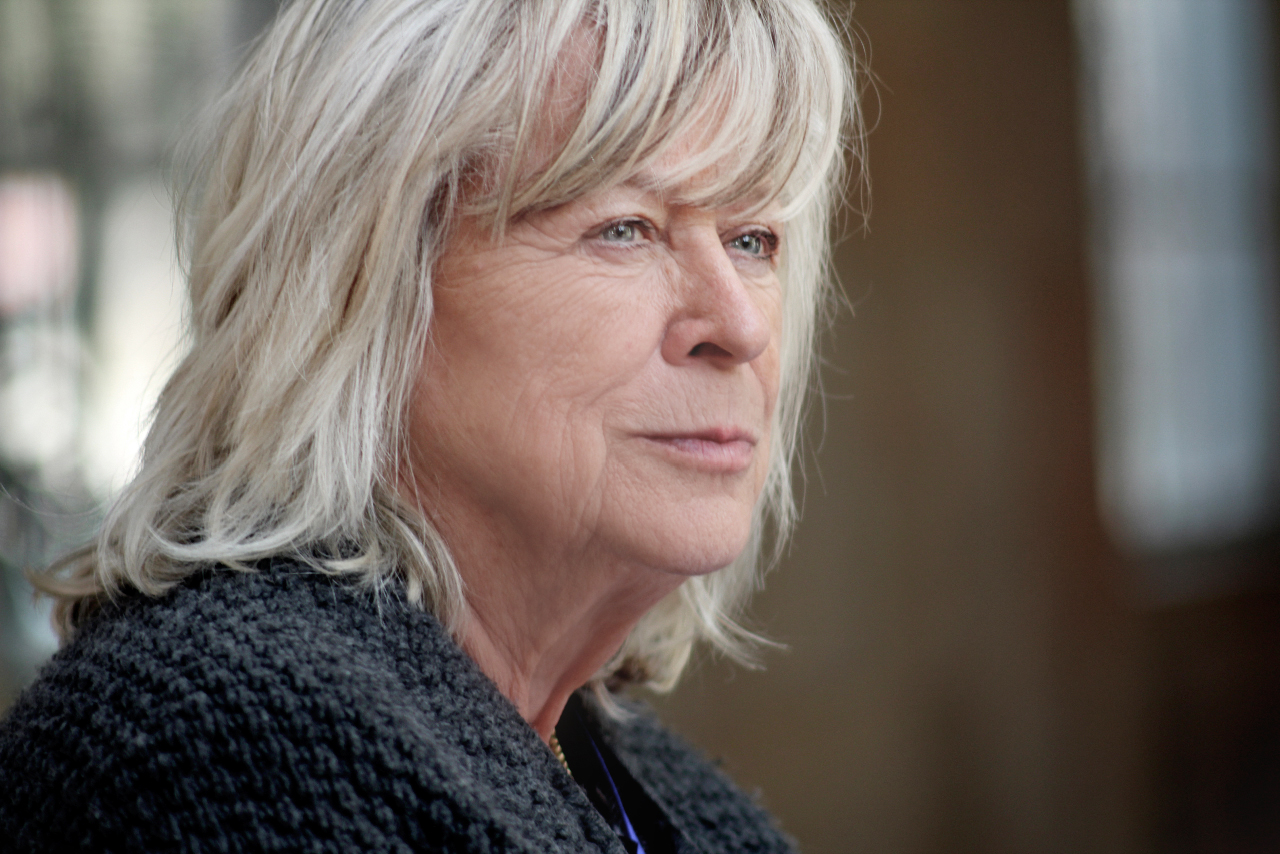
After completing her acting studies and working at theatres in Dinkelsbühl, Stuttgart and Frankfurt, Margarethe von Trotta appeared from 1967 onwards in numerous films of the New German Cinema, including works by Rainer Werner Fassbinder (e.g. The American Soldier, 1970), Herbert Achternbusch (e.g. The Andechser Feeling, 1974) and Volker Schlöndorff, with whom she also co-wrote several films (e.g. Strohfeuer, 1972) and co-directed The Lost Honour of Katharina Blum (1975).
Her first solo directorial film was The Second Awakening of Christa Klages (1978). This was followed by such widely debated works as The German Sisters (1981), Rosa Luxemburg (1986), The Promise (1995), as well as the multi-part television adaptation of Uwe Johnson’s Anniversaries (2000). Her films repeatedly return to an interest in reflecting on the past—both personal and political and social—and in approaching it critically.
In 2003, she directed Rosenstrasse and, following the psychological drama I Am the Other Woman (2006), returned to a historical subject with Vision (2009), devoted to the life of Hildegard von Bingen. The film portrays the life and development of the legendary mystic, known both for her medical knowledge and for being an early advocate for women’s rights.
Alongside her extensive filmography, Margarethe von Trotta has regularly directed theatre productions at various venues across Europe.
With the collaboration of the Asociación Amigos del Goethe-Institut España.
Wednesday, Oct. 28th. 7:00 p.m.
Goethe-Institut Madrid
Free admission until full capacity is reached
Year of Production: 1981
Time: 106’
Country: Federal Republic of Germany
Language: German. Original version with Spanish subtitles
Director: Margarethe von Trotta
Cast: Jutta Lampe, Barbara Sukowa, Rüdiger Vogler, Doris Schade
Production: Eberhard Junkersdorf
Script: Margarethe von Trotta
Director of Photography: Franz Rath
Production Companies: Bioskop Film, Sender Freies Berlin (SFB)
Golden Lion, Venice International Film Festival (1981)
FIPRESCI Prize (International Federation of Film Critics) at SEMINC (1981)